Paddock Talk: What Track-Day Regulars Really Say About the Hayabusa
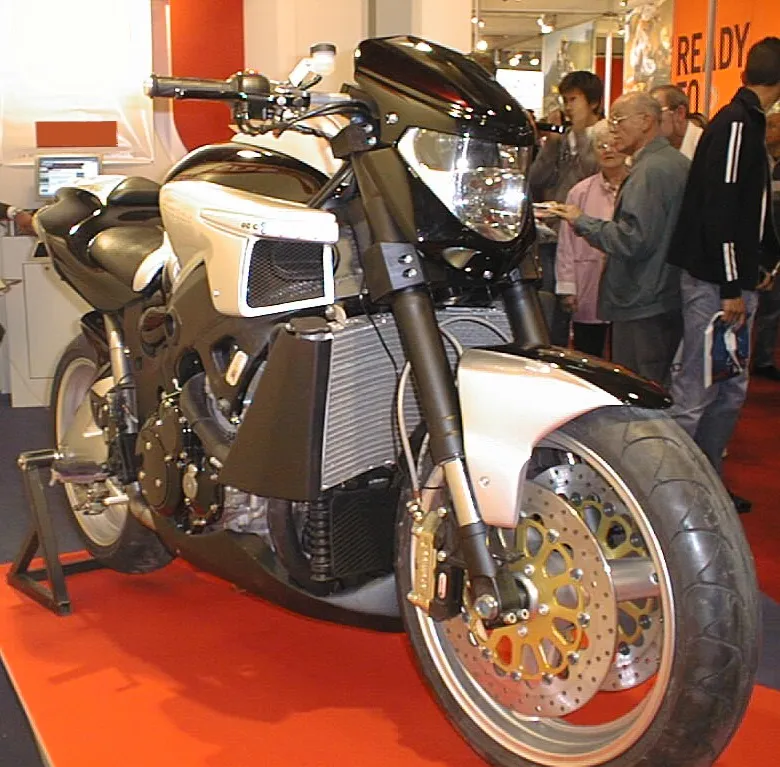
Photo: Cjp24, CC BY-SA 3.0, via Wikimedia Commons
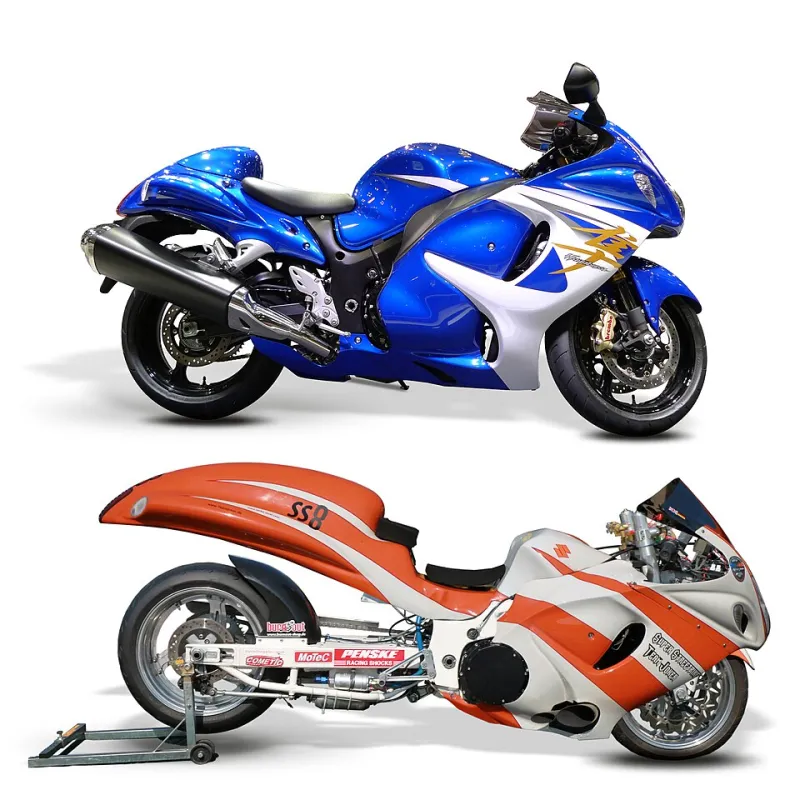
Mention the Hayabusa at a bike night and you'll get one story: quarter-mile king, wheelie machine, the bike that made 60-70 wheelbases famous. Mention it at a track day paddock and the conversation gets a lot more interesting.
We spent a handful of weekends at facilities like JenningsGP in Florida, Pacific Raceways in Washington, and New Jersey's own Thunder talk sessions at New Jersey Motorsports Park, asking the same question to anyone who'd hold still long enough: is the Hayabusa a track bike, a joke on a track bike, or something in between? The answers surprised us — and they might surprise you too.
"It's Not What People Expect"
Marcus Delgado, a CSS-level coach who runs intermediate groups at southwestern track days, put it bluntly: "Every season I get one guy who shows up on a Busa expecting to be laughed off the grid, and every season that guy ends up passing people in the fast groups by Sunday afternoon."
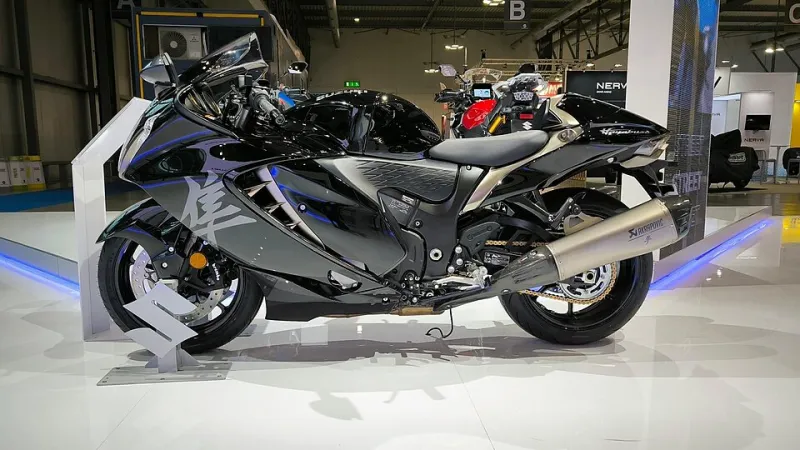
The stereotype, riders told us, is baked in from the drag strip and from YouTube wheelie compilations. But the modern Hayabusa — especially the third-generation bike Suzuki launched in 2021 — is a fundamentally different animal than the 1999 original. Brembo Stylema calipers, a six-axis IMU with cornering ABS, launch control, and a chassis that finally weighs what a modern liter-class bike weighs have changed the math.
"The old Busas were boats. This one isn't," said one A-group regular at Pittsburgh International Race Complex. "Is it a Panigale? No. Does it do everything a Panigale does except the last five percent, while letting me ride home four hours afterward in comfort? Yeah."
The Corner Workers Have Opinions Too
Corner workers see more laps than anyone, and their take was consistent: Hayabusas on track are smooth, predictable, and rarely the source of the drama.
"You can hear them coming — that distinctive intake howl — and they're almost always ridden by someone who respects the machine," a flag marshal at Barber Motorsports Park told us. "The sketchy stuff usually comes from underprepared riders on underprepared bikes. Busa guys tend to over-prepare."
That over-preparation culture might come from the drag strip, where prep is everything. Whatever the origin, it translates: Busa track riders showed up with fresh rubber, torqued fasteners, and realistic expectations more often than most.
The Honest Criticisms
It's not all praise. The paddock was candid about the bike's limitations:
- Width. The Busa is a wide motorcycle, and that matters in close pack riding and when hanging off. Several riders described the first session as "negotiating with the tank."
- Weight in transition. At around 590 pounds wet with rider gear, quick direction changes demand more commitment than a 400-pound supersport.
- Tires. Stock-type sport touring rubber won't survive aggressive track pace. Everyone we spoke to runs dedicated track rubber or at minimum a serious hypersport tire.
- Wind protection cuts both ways. Great on the front straight at 150 mph, but it encourages a tucked posture that fights proper body position in the corners.
None of these are dealbreakers. All of them are real.
First Track Day on a Busa: The Setup Sheet
If you're thinking about taking your Hawk to a closed course, here's the distilled advice from the riders and coaches we interviewed:
- Tape everything, remove nothing yet. Mirror and light tape is standard. Don't gut your bike before your first day.
- Tires before talent. A fresh set of track-capable tires matters more than any other single mod. Run proper pressures — ask the tire vendor on site; they know the track.
- Dial the suspension. The stock fork and shock are competent but soft for track pace. Even basic preload and compression adjustments transform the front end. A professional revalve is the single best money you'll spend.
- Respect the brakes. The Gen 3's Brembos are excellent, but a 590-pound bike carries momentum. Brake earlier than you think, every session, until the track comes to you.
- Use your group placement honestly. Sign up for novice or intermediate. The Busa's straight-line advantage means nothing if you're in over your head in turn three.
- Consider a steering damper. The Busa is stable, but a quality damper adds margin on bumpy circuits.
Secretly Brilliant, Just Misunderstood
The consensus after our paddock tour: the Hayabusa is neither too heavy nor too fast for the track — it's just optimized for a different mission than a pure superbike. It's a bike you can ride to the track, run respectable laps on, and ride home from without aching. In an era of single-purpose track weapons, that versatility is quietly radical.
"People buy a Busa for the myth and keep it for the truth," Delgado said, packing up his trailer as the sessions wound down. "The truth is it's one of the best all-around fast bikes ever made. The track just proves it."
If there's a Hayabusa campaign or dealer event near you this season, ask about track-day partnerships — several Suzuki dealers across the US now bundle track-day vouchers with new bike purchases. The Hawk, it turns out, has wings beyond the quarter mile.