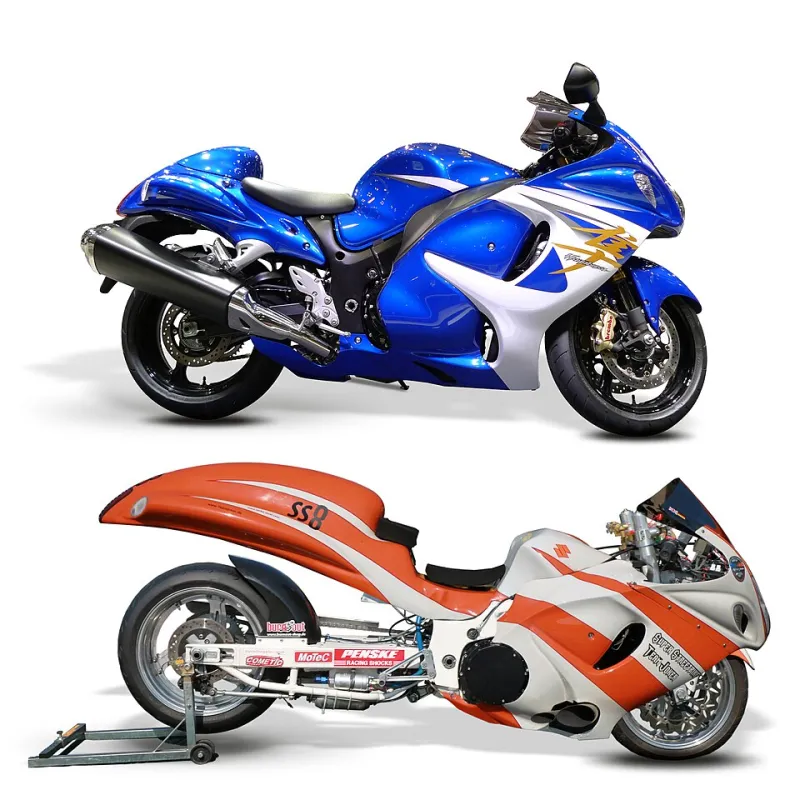
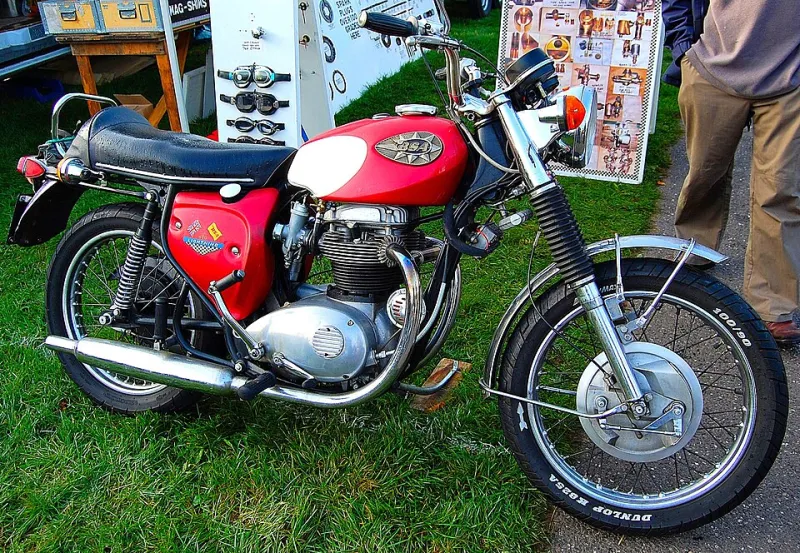
The Trade-In Ledger: Turning Your Aging Liter Bike Into a New Hawk
Photo: D. Benjamin Miller, CC0, via Wikimedia Commons
Let's be honest about how most trade-ins go. You roll your tired-but-honest liter bike up to the dealership, the sales guy kicks the tire, disappears for fifteen minutes, and comes back with a number that feels like it was pulled from a hat. You negotiate for ten minutes, feel vaguely defeated, and sign anyway because the new Hayabusa is sitting right there under the lights and you want it.
That's how dealerships win. Here's how you don't lose.
What Your Bike Is Actually Worth
Dealers don't guess. They run your VIN through valuation tools — Kelley Blue Book, J.D. Power, and internal wholesale feeds — and they'll typically offer you somewhere between wholesale and retail value. Wholesale is what they could get at auction tomorrow; retail is what they'll list it for on their floor. Your job is knowing both numbers before you ever walk in.
A real-world scenario: a clean 2014-era liter bike with 15,000 miles might show a retail value around $6,500 and a trade-in (wholesale) value around $4,800. The dealer's first offer will almost always land near the trade-in figure. That $1,700 spread between wholesale and retail is your negotiation territory — it's the dealer's margin for reconditioning, floorplan costs, and profit.
Condition matters more than you think. Fresh tires, a recent oil change, detailed plastics, and service records can push you toward the top of the range. A shaggy bike with a worn chain and a dead battery gives the appraiser every excuse to lowball.
The Private Sale Math
Selling privately gets you retail value — minus the hassle. List it yourself on Facebook Marketplace, Cycle Trader, or Craigslist, and that hypothetical $6,500 bike might bring $6,000-6,300 after some haggling. That's potentially $1,200-1,500 more than a lazy trade-in offer.
But run the full ledger:
- Time and friction. Photos, listings, no-shows, test-ride strangers, and lowball texts at 11 p.m.
- Sales tax math — the big one. In most US states, you pay sales tax on the difference between the new bike's price and your trade-in value. Trade a $5,000 bike toward a $19,000 Busa in a state with 7% sales tax, and you're taxed on $14,000 instead of $19,000. That's roughly $350 back in your pocket before the deal even starts.
- Campaign incentives. Suzuki's promotional events and dealer campaigns sometimes stack trade bonuses on top of the market value. Ask specifically whether a current campaign includes a trade-up allowance.
So private sale nets you maybe $1,300 more, but the tax savings and trade bonus can claw back $500-700 of that. Suddenly the gap is a few hundred dollars — the price of not spending three weekends dealing with strangers.
The Negotiation Script
Walk in with three numbers: your bike's trade-in value, its realistic private-sale value, and the out-the-door price on the new Busa — negotiated separately.
Here's the key move most buyers miss: negotiate the new bike price first, then introduce the trade. If you bundle them from the start, the dealer can play shell games — a great trade number paired with a padded bike price, or vice versa. Keep the transactions separate in your head and on the desk.
Then try this:
"I've got a private buyer lined up at $6,200, so I'm not desperate to trade. But if you can do $5,800 on the trade and honor the out-the-door price we just discussed, I'll sign today."
That's specific, credible, and time-bound. Dealers respond to a buyer who clearly knows their numbers and has a walkaway option. If the manager won't move past $5,200, take the private-sale route and return with cash — or check the next dealer, because campaign-season competition between shops is real.
When Trading Is the Right Call
Trade when: the tax savings in your state are significant, a campaign bonus is active, your bike needs tires or service you don't want to pay for, or you simply value your weekends. Sell privately when: your bike is desirable and clean, you have patience, and your state taxes the full purchase price regardless.
Either way, the worst outcome is walking in uninformed. The Hayabusa has earned its legend by being the smart rider's hypersport — apply the same thinking to the deal that puts one in your garage. Know your numbers, split the negotiations, and the Hawk lands in your driveway without leaving a pile of your money behind.