Stock Hawk or Street Monster? The Great Hayabusa Modification Debate
Photo: Oq10pass, CC0, via Wikimedia Commons
There's a moment every Hayabusa owner knows. You're at a bike night somewhere — could be a QuikTrip lot in Texas, could be a canyon overlook in SoCal — and someone walks up, circles your bike twice, and asks the question: "So, you done anything to it yet?"
How you answer says a lot about the kind of rider you are. And in the Busa community, that answer starts arguments that make oil-thread debates look polite.
The Purist's Pulpit
"Suzuki spent thirty years getting this bike right," says Marcus Delgado, a longtime Gen 2 owner from Ohio who's logged over 90,000 miles on his stock 'Busa. "People bolt on a bunch of stuff and end up with a bike that's worse in every way that matters — heavier crank feel, worse fueling, no warranty, no resale. Meanwhile mine still pulls like a freight train at 140."
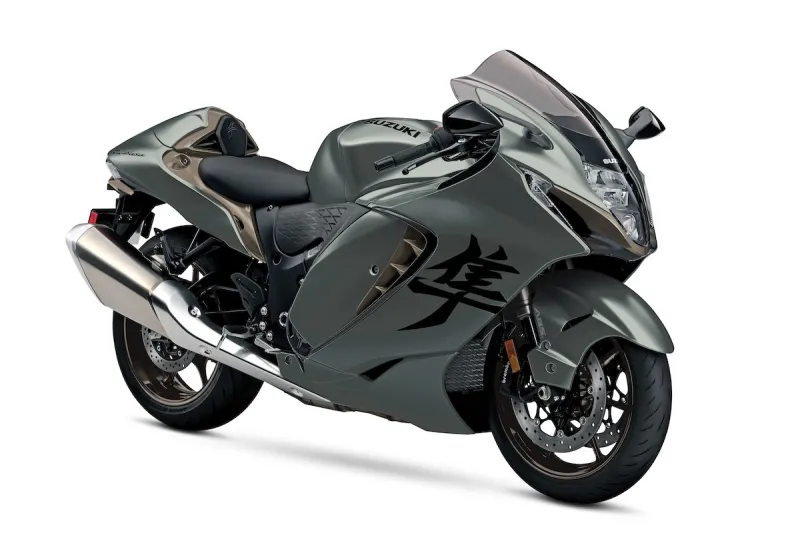
He's got a point. The current-generation Hayabusa came out of the box with cornering ABS, launch control, traction management, and a chassis that finally handles like the sportbike it always pretended to be. The stock exhaust note has matured, the fueling is smooth, and everything just... works.
There's also the collector angle. Original-condition Gen 1 and Gen 2 Busas are quietly appreciating among enthusiasts. A clean, unmodified first-gen with low miles can fetch serious money on Bring a Trailer or at Mecum auctions — money no bolt-on build will ever see.
The Builder's Counter
Then there's the other camp. Walk into any serious speed shop — places like the legendary shops around Florida's drag strips or Southern California's tuning scene — and you'll hear the counterargument before the door closes behind you.
"The Busa platform is the best engine architecture ever handed to the aftermarket," argues one builder who's assembled turbo 'Busas for over a decade. "The motor is bulletproof. That's why people still build them. You can take a stock engine, add a sensible bolt-on package, and have a genuinely better street bike. Or go all-in and make 300-plus horsepower. Nobody else in motorcycling offers that."
What the Mods Actually Cost
Here's where the dream meets the receipt. Rough street-build pricing in the current US market:
- Full exhaust system: $700–$1,500. The most popular first mod. Better sound, modest power, and it wakes the bike up emotionally if nowhere else.
- Power Commander or ECU flash + dyno tune: $400–$900. Arguably the best money-per-horsepower spend on a stock bike. Fixes the lean factory fueling.
- Upgraded suspension (shock, fork internals, or cartridge kit): $1,200–$2,500. The least glamorous, most transformative mod for anyone who rides canyons instead of strips.
- Turbo kit: $6,000–$12,000 installed, before you count the supporting mods — clutch, head gasket, intercooler plumbing, and a fuel system that can actually feed the beast.
The Fine Print Nobody Mentions at the Counter
Before you swipe the card, three words: warranty, insurance, resale.
Warranty. Suzuki's powertrain warranty can be denied if a failed component is traced to an aftermarket part or tune. A slip-on? Usually fine. A turbo kit pushing 20 psi? Your dealer's service manager will have a very short conversation with you.
Insurance. Most riders never disclose mods. If you're running an $8,000 build and total the bike, the insurer pays book value on a stock machine unless you've added coverage or endorsements. For serious builds, a stated-value policy through a specialty insurer is worth the premium.
Resale. Mods sell the bike to one buyer — the person who wanted exactly your build. To everyone else, they're a discount. A tastefully modified Busa with dyno sheets and receipts might recoup 40–60 cents on the dollar. A hacked-together turbo bike? Good luck.
So Which Side Wins?
Honestly? Neither, and that's the fun of it. The Hayabusa is one of the last great platforms where both paths lead somewhere real. Keep it stock and you own a piece of history that'll outlive you. Mod it and you join a thirty-year American tradition of turning Suzuki's falcon into something louder, faster, and unmistakably yours.
Just know what you're buying — both at the parts counter and at trade-in time.