Getting Your Busa on the Showroom Floor: A Rider's Playbook for Dealer Events
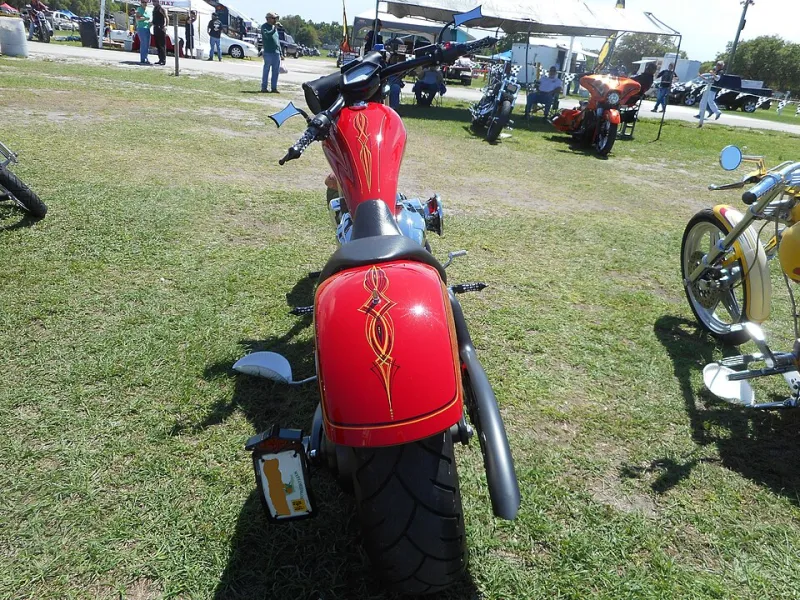
Photo: DanTD, CC BY-SA 4.0, via Wikimedia Commons
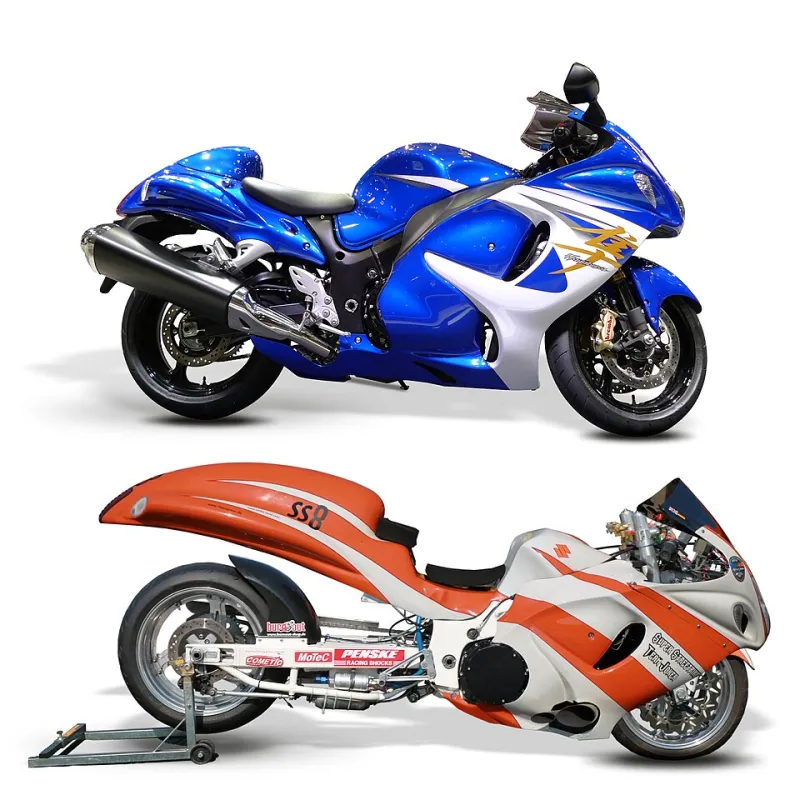
You've spent two winters and more money than you'll admit to your spouse building the perfect Hayabusa. Custom paint that catches light like a chrome carnival, a build that starts on the first stab of the button, wheels polished to a mirror. It deserves an audience bigger than your driveway.
Good news: dealers want your bike. Bad news: most riders go about asking all wrong. Here's how to actually get your 'Busa in front of crowds at Suzuki launch events, dealer bike nights, and regional motorcycle shows.
Understand What Dealers Are Actually Looking For
A dealer event isn't a bike show — it's marketing. The sales manager isn't picking the flashiest bike; they're picking the bike that helps sell new Hayabusas sitting on the floor next to it.
That means they generally want one of three things:
- A stock or near-stock current-gen Busa, so attendees can see the real product up close
- A tasteful build that shows what's possible with dealer-installed accessories — think exhaust, windscreens, and parts from their own catalog
- A showstopper that draws a crowd, because crowds sell motorcycles
Before you reach out, figure out which of those three your bike is. Pitch a drag-strip turbo build to a dealer pushing commuter-friendly accessories and you'll get a polite no.
How to Make the Approach
Skip the Instagram DM. Call the dealership and ask for the events or marketing person — most larger Suzuki dealers have one, even if it's a part-time role. Then send a short email with:
- Three or four high-quality photos (clean background, good light — phone photos in a dim garage won't cut it)
- A build sheet listing every modification with brands named
- The bike's year, mileage, and anything notable about its history
- Your availability and, ideally, whether you'll hang out at the event to talk with people
That last one matters more than you'd think. Dealers love featured bikes whose owners will stand next to them for three hours answering questions. You're not just displaying a motorcycle — you're staffing it.
The Paperwork That Separates You From the Pack
Serious builds come with documentation, and documentation signals seriousness:
- Dyno sheets from a recognized shop
- Receipts or invoices for major components
- Title and registration in good standing — dealers need proof you own what you're parking on their property
- Insurance confirmation — many dealers require your policy to cover the bike while it's on their lot
- A signed display agreement if the event has one; read it, especially anything about liability and photography rights
If your bike has been featured anywhere — a local show, a magazine spread, even a well-performing build thread — include it. Social proof opens doors.
Prep the Bike Like It's Going to a Job Interview
Showroom floors have bright lights, and bright lights are merciless. Detail everything: the under-tail, the inside of the wheels, the exhaust tips, the radiator fins. Bring a small detail kit for touch-ups. Empty the tank to a low fuel level if the venue requires it — many do for fire code. And make sure the bike runs and rolls, because you may need to move it during the event.
Where the Perks Come In
Here's the part nobody tells you: a featured build is a resume. Do it once, get photos, and suddenly you have portfolio material for accessory manufacturers. Small companies — exhaust makers, paint shops, aftermarket part brands — routinely hook up bikes that appear at dealer events in exchange for logos and tags. Regional sponsorships, discounted parts, and invitations to bigger shows like AIMExpo-adjacent events often start exactly this way.
The Hayabusa community is small, loyal, and always watching. Get your hawk in front of the right crowd, and the next invitation usually comes before you've even washed the bike afterward.