Two Hawks, One Legacy: What Actually Changed When Suzuki Rebuilt the Busa
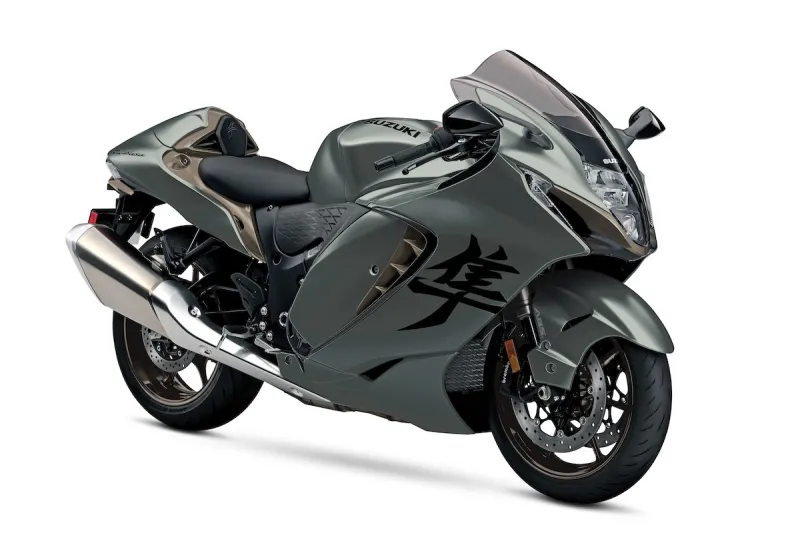
Photo: Suzuki Hayabusa sportbike side profile studio shot, via sportbikesincmag.com
There's a special kind of pressure that comes with redesigning a motorcycle as beloved as the Hayabusa. When Suzuki rolled out the third generation in 2021, plenty of folks in the community wondered if the Hawk had lost some of its edge — a little smoother, a little tamer, a little less wild. Then the fourth generation arrived, and the conversation shifted. Now, with both bikes sitting in dealerships and garages across the country, riders are asking the obvious question: is the upgrade worth it?
We talked to owners, combed through spec sheets, and looked at how these two machines actually behave on American pavement. Here's the honest breakdown.
The Heart of the Matter: Same Displacement, Different Animal
Both generations carry the 1,340cc inline-four that made the Busa famous, but the newest iteration got a serious refresh. Suzuki reworked the cam profiles, reshaped the intake ports, and added a pair of counterbalancers to smooth out vibration without dulling the engine's character.
The result? The latest motor pulls harder in the midrange — exactly where most of us actually ride. Third-gen owners describe the power delivery as explosive up top; fourth-gen riders report that same rush arriving earlier and staying longer. On paper, peak figures look similar. On the road, the newer bike simply feels more willing at legal-ish speeds and more composed when you're not being legal at all.
One owner in Texas put it plainly: "My old Busa wanted to be revved. The new one just goes, anywhere, anytime."
Electronics: From Afterthought to Arsenal
Here's where the gap really opens up. The third generation introduced Suzuki's Intelligent Ride System, which was a big deal at the time. The current model refines that package into something genuinely competitive with European flagships.
You now get:
- A six-axis IMU feeding lean-sensitive ABS and traction control
- Five riding modes plus three customizable presets
- Launch control with three intensity settings
- Cornering-aware engine brake control
- Quickshifter that works both directions, smoothly
The older bike's electronics were good for 2021. The newer setup feels like it was tuned by people who actually ride hard. The traction control, in particular, is far less intrusive — it intervenes precisely when needed instead of cutting power like a nervous chaperone.
Chassis, Brakes, and the Confidence Factor
Frame geometry between the two generations is close, but the details matter. The current model runs Brembo Stylema calipers up front — a meaningful upgrade over the earlier Tokicos — along with updated suspension damping and a lighter steering feel that makes the big bike feel surprisingly agile in the canyons.
Aerodynamics got subtle tweaks too. The iconic silhouette is intact, but revised winglets and bodywork reduce buffeting at triple-digit speeds. Highway cruising, always a Busa strength, is even more relaxing now.
What Owners Who Switched Actually Say
We polled riders who made the jump. The consensus splits into three camps:
The "night and day" crowd — mostly sport-touring types — love the electronics, the brakes, and the refined finish. They'd never go back.
The purists admit the newest bike is better in every measurable way but miss the slightly raw edge of the older model.
The fence-sitters with a well-maintained third-gen are content to wait — which, honestly, is fair. The older bike remains a phenomenal machine.
So, Should You Upgrade?
If you're riding a third-gen and it makes you happy, keep riding it. But if you're shopping the used market or coming from an even older Busa, the current generation is the one to buy. It keeps everything that made the Hayabusa a legend and adds the modern safety net and polish the old bike never quite had.
Check with your local Suzuki dealer — current campaign offers on the latest model are making the upgrade math easier than ever. The Hawk still reigns. It's just flying with better instruments now.