Snowbird Season: A Hayabusa Owner's Guide to Hibernation Done Right
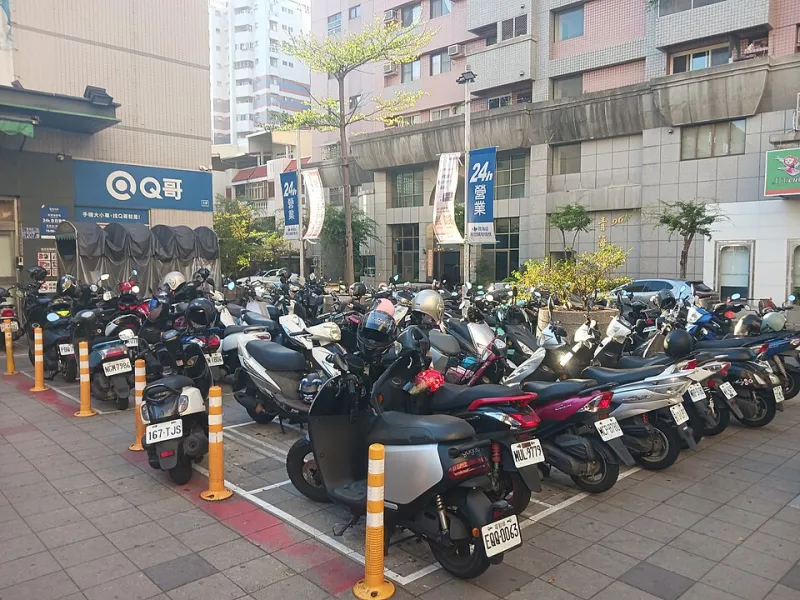
Photo: Saimmx, CC0, via Wikimedia Commons
Every November, somewhere in Ohio or Michigan or upstate New York, a Hayabusa gets shoved into a garage corner under a tarp, and its owner spends four months pretending that's good enough. It isn't. The Busa forgives a lot, but neglect over a long winter compounds. Do it right, and spring will greet you with a bike that fires up like it never left. Do it wrong, and you're buying a battery, a tank of gummed fuel, and possibly a set of tires in April.
Fuel First, Because It's the Whole Ballgame
Ethanol-blended gas is the enemy of a parked motorcycle. Left untreated for a few months, it attracts moisture and leaves varnish in your injectors and fuel pump — and Hayabusa fuel system work isn't a cheap fix.
Two schools of thought here. The first: fill the tank completely, add a quality fuel stabilizer like STA-BIL or Sea Foam, run the bike for ten minutes so the treated fuel cycles through the system, and call it done. A full tank leaves minimal room for condensation to form.
The second approach — favored by riders who really sweat the details — is draining the tank and fuel lines entirely. It's more work, and honestly, for a typical three-to-four-month storage window, the full-tank-plus-stabilizer method is plenty. If your storage stretch runs six months or more, consider the drain.
The Battery Is on Life Support
Your Busa's battery will die a slow death over winter if you let it. A battery tender — not a trickle charger, a proper smart tender like a Battery Tender Jr. or NOCO Genius — is a $40-60 insurance policy on a $150+ replacement. Connect it, forget it, and your bike wakes up with a full charge and no corrupted ECU learning.
Bonus tip: modern Busas can throw odd fault codes after a deep discharge. Keeping the battery healthy avoids the frustration of chasing phantom issues in April.
Tires, Flat Spots, and the Cold Concrete Question
Cold-weather tire nerds love to argue about this one, but the physics are simple: a bike sitting on the same contact patch for months on cold concrete can develop flat spots, especially on softer sportbike rubber.
Your options, from easiest to most thorough:
- Paddock stands front and rear. Takes all weight off the tires. Best solution, period.
- Move the bike a few feet every few weeks. Free, but requires you to actually do it.
- Overinflate slightly (a few PSI above spec) and accept the risk. Fine for short winters, dicey for long ones.
One more thing: keep the tires out of direct sunlight and away from electric motors, which emit ozone that degrades rubber.
The Cover Debate
A cheap non-breathable tarp traps moisture against your paint and chrome — that's how corrosion starts. Spend the money on a quality breathable indoor cover, or if your Busa lives in an unheated space, a proper outdoor cover with ventilation panels. Your fairings will thank you.
While You're At It: The Pre-Storage Service
If your oil is due for a change anyway, do it before storage, not after. Used oil holds combustion byproducts that can sit against internal components all winter. Fresh oil, fresh filter, done.
Lube the chain, and if you're feeling thorough, a light fog of corrosion inhibitor on exposed metal (avoiding brake rotors and exhaust internals) adds cheap protection.
The Dealer Angle: Winterization Packages Worth Paying For
Here's where your local Suzuki dealership earns its keep. Many service departments in snow-belt states — think shops across Pennsylvania, Illinois, Minnesota, and the Northeast — run winterization specials from October through December, typically in the $150-350 range depending on what's included.
A package worth paying for generally bundles: fuel system treatment, battery removal or tender hook-up, oil change, chain service, and a storage spot if the dealer offers indoor storage. That last one matters if your garage is a two-car affair already full of a daily driver and a snowblower.
The real value play, though, is the spring pick-up inspection. Some dealers bundle it into the winterization price; others charge separately. It typically covers a battery load test, tire pressure and condition check, brake inspection, and a full systems scan before your first ride. If you stored the bike yourself, an independent spring inspection ($100-200) is a smart buy — it catches the flat-spotted tire or the soft battery before they catch you at 60 mph.
Ask your dealer now, not in October. Winterization slots fill fast, and many shops offer early-bird pricing to regulars.
The Spring Wake-Up Ritual
When the roads finally clear and the salt washes away, resist the urge to twist the throttle immediately. Check tire pressures, verify the battery, let the bike idle while you check for leaks, and ease into the first ride. The Hawk remembers what it's built for. Give it a graceful morning stretch, and it'll repay you all season long.
Winter doesn't have to be the enemy. Treat it as maintenance season, and you'll be the guy whose Busa fires up on the first crank while his riding buddies are still jumping theirs with a charger.