The Hypersport Tax: What Hayabusa Insurance Really Costs State by State

Photo: motorcycle insurance paperwork helmet calculator, via blog.scrut.my
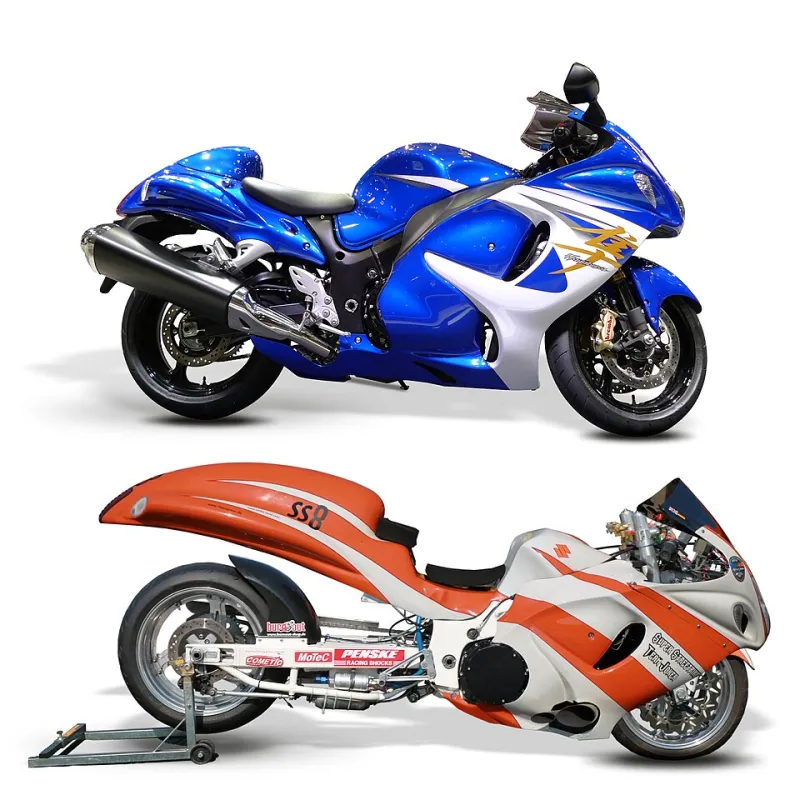
You already knew the Hayabusa was fast. What you might not have known — until you called your insurance company after signing the paperwork — is that your agent knew it too. The moment that VIN comes back flagged as a 1,340cc hypersport, the quote on the other end of the line tends to jump. Some riders call it the hypersport tax. It's real, it varies wildly depending on where you live, and the good news is there's more than one way to shrink it.
Why Insurers Flinch at the Busa
To an underwriter, the Hayabusa isn't just fast — it's fast in a way that's statistically expensive. Big displacement, high top speed, and a reputation that attracts both devoted touring riders and Sunday wheelie machines all get baked into the rate. Add in the fact that the bike costs north of $19,000 new, and comprehensive and collision coverage carry real weight.
But here's the part most riders miss: insurers don't rate you on the bike alone. Your age, riding history, credit-based insurance score (in most states), garage situation, and annual mileage all swing the number more than the badge on the tank. A 45-year-old rider in Ohio with a clean record and a locked garage will often pay less for full coverage on a Busa than a 24-year-old on a used Ninja 650.
What Riders Actually Pay, State by State
Rates differ enormously by state, driven by population density, weather, theft rates, litigation climate, and mandatory coverage minimums. The table below shows rough annual estimates for a representative rider — 40 years old, clean record, full coverage with $500 deductible, riding about 5,000 miles a year. Treat these as ballpark figures for planning, not binding quotes.
| State | Est. Annual Premium | State | Est. Annual Premium |
|---|---|---|---|
| California | $1,600–$2,100 | Massachusetts | $1,100–$1,500 |
| Texas | $1,300–$1,800 | Michigan | $1,400–$1,900 |
| Florida | $1,800–$2,500 | Georgia | $1,200–$1,700 |
| New York | $1,700–$2,300 | Ohio | $900–$1,300 |
| Illinois | $1,100–$1,600 | Wisconsin | $850–$1,200 |
| Pennsylvania | $1,000–$1,400 | Minnesota | $950–$1,350 |
| Colorado | $1,200–$1,650 | Missouri | $900–$1,300 |
| Arizona | $1,300–$1,750 | Indiana | $880–$1,250 |
| Washington | $1,100–$1,550 | Tennessee | $950–$1,400 |
| Oregon | $1,050–$1,450 | North Carolina | $800–$1,150 |
| Nevada | $1,250–$1,700 | Virginia | $900–$1,300 |
| Utah | $1,000–$1,400 | South Carolina | $950–$1,350 |
| New Jersey | $1,500–$2,000 | Alabama | $1,000–$1,400 |
| Connecticut | $1,300–$1,750 | Louisiana | $1,500–$2,100 |
| Maryland | $1,200–$1,650 | Kentucky | $950–$1,350 |
| Delaware | $1,100–$1,500 | Mississippi | $950–$1,300 |
| New Hampshire | $750–$1,100 | Arkansas | $900–$1,300 |
| Vermont | $700–$1,050 | Iowa | $800–$1,150 |
| Maine | $750–$1,100 | Kansas | $850–$1,200 |
| Rhode Island | $1,200–$1,600 | Nebraska | $820–$1,150 |
| New Mexico | $1,000–$1,400 | Oklahoma | $950–$1,350 |
| Idaho | $780–$1,100 | West Virginia | $900–$1,300 |
| Montana | $780–$1,100 | Wyoming | $800–$1,150 |
| North Dakota | $760–$1,080 | Alaska | $950–$1,350 |
| South Dakota | $740–$1,050 | Hawaii | $1,100–$1,550 |
| DC | $1,500–$2,000 |
Notice the spread: a rider in the Dakotas might pay half what a Florida rider does for identical coverage. Where you park matters almost as much as what you park.
Five Legit Ways to Cut the Premium
1. Take an accredited rider course. MSF courses and advanced programs from providers like Total Control often earn a 5–15% discount, and some carriers stack that with loyalty pricing. It's the cheapest money you'll ever save.
2. Bundle — or go multi-bike. If you insure your truck and the Busa with the same carrier, expect meaningful savings. Own two bikes? Many insurers offer a fleet-style discount that makes the second machine cheaper than the first.
3. Ask about agreed-value coverage. Standard policies depreciate your bike every year. An agreed-value policy locks in a payout figure — smart on a bike like the Busa that holds value well and is often modified.
4. Raise the deductible, trim the extras. If you're a seasoned rider with savings in the bank, a $1,000 deductible can shave double-digit percentages off collision. Meanwhile, skip accessories coverage you'll never claim.
5. Re-quote every renewal. Insurers price Hayabusas differently. The same rider can see quotes vary by $700 a year between carriers. Comparison-shop every cycle, especially after your first clean season.
One Last Thing Before You Buy
Get insurance quotes before you sign the purchase agreement at the dealer. Nothing sours delivery day like discovering your dream bike costs more per month to insure than the payment itself. Twenty minutes of phone calls — and the strategies above — usually bring the hypersport tax down to something a hawk can live with.